New Address, No Baseline: Why First-Time Internet Customers Are the Softest Targets of Move-In Season

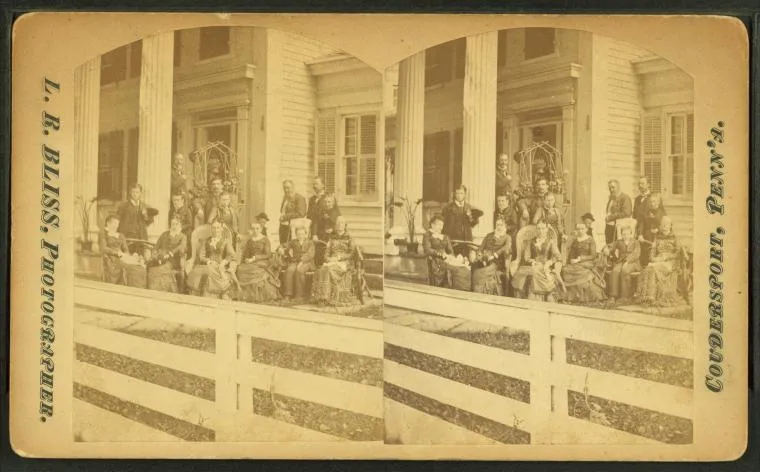
Photo: Mennonite Church USA Archives, No restrictions, via Wikimedia Commons
Phishing works by exploiting familiarity. A long-time customer notices when a billing email looks slightly wrong because she has seen a hundred correct ones. But a college sophomore activating internet for a rented apartment in September has seen zero. Every message is new. Every portal is plausible. Every request seems like part of the process.
This is the structural advantage fraudsters hold during move-in season, and it explains why counterfeit activation and installation-scheduling sites cluster around the weeks when American campuses open and apartment leases begin.
The Newcomer's Blind Spot
An experienced customer carries a mental baseline: what the real portal looks like, what the real emails reference, what the company never asks for. A first-time customer carries nothing. There is no prior statement to compare, no remembered layout, no history of what a legitimate onboarding message contains.
Scammers exploit this vacuum with a straightforward tactic: they make the fake experience feel like the beginning of a normal one. A text message reads, "Your installation window is confirmed — complete your activation here." A link leads to a professional-looking page requesting a Social Security number, a payment method, and a login creation step. Nothing about it feels unusual, because the victim has no reference point for what unusual would look like.
For students, the risk is compounded by timing. Activation typically happens in the same window as a dozen other logistical tasks — financial aid, lease paperwork, campus IDs — each requiring personal information from unfamiliar websites. Fraudulent activation pages blend into a period of necessary disclosure.
How Fake Activation Pages Are Timed
Counterfeit sites require investment, and fraudsters deploy them where returns are highest. Search advertising and spoofed text messages surge in late August, targeting ZIP codes with heavy student and rental turnover. Some counterfeit pages are registered months in advance and left dormant, activated only for the seasonal window before being taken down — a pattern that complicates takedown efforts and lets the same infrastructure recur annually.
The requests themselves follow a predictable escalation:
- Personal identifiers — name, address, date of birth
- Government ID numbers, framed as a credit or identity check
- Payment details for a "first month's bill" or "equipment deposit"
- Account credentials, which enable later takeover of a legitimately created account
The final step is the most damaging. A student who enters credentials on a fake portal may later create a real account — unknowingly reusing a password an attacker already holds.
A Verification Checklist for First-Time Customers
Newcomers cannot rely on instinct, so they should rely on procedure. Before responding to any activation or installation communication:
- Type the address yourself. Reach the provider's website directly rather than following a link from a text or email. Bookmarks beat links.
- Initiate contact in reverse. If a message claims your installation is scheduled, call the number listed on the official site and ask. Legitimate scheduling survives verification; counterfeits do not.
- Treat ID and payment requests as red flags. A genuine activation will not ask you to submit a Social Security number through an emailed form.
- Create credentials only on the domain you navigated to manually. Never establish a login through a link you were sent.
- Ask your landlord or campus housing office. Many universities publish guidance on which communications students should expect during setup.
Build the Baseline Early
The disadvantage of being new is temporary, but the habits formed in the first weeks of service tend to last. Establishing a bookmark, enabling two-factor authentication from day one, and saving the official application to your phone creates the reference framework that experienced customers take for granted.
Move-in season is hectic by design, and fraudsters schedule around that chaos. A few minutes of verification during setup — checking a URL, making one phone call — is a small price compared to starting a new chapter of life with a compromised account and a fraudulent charge on a debit card. The best time to build skepticism is before you have an account to lose.