Linked and Vulnerable: How a Breached Xfinity Account Puts Your Mobile Service at Immediate Risk
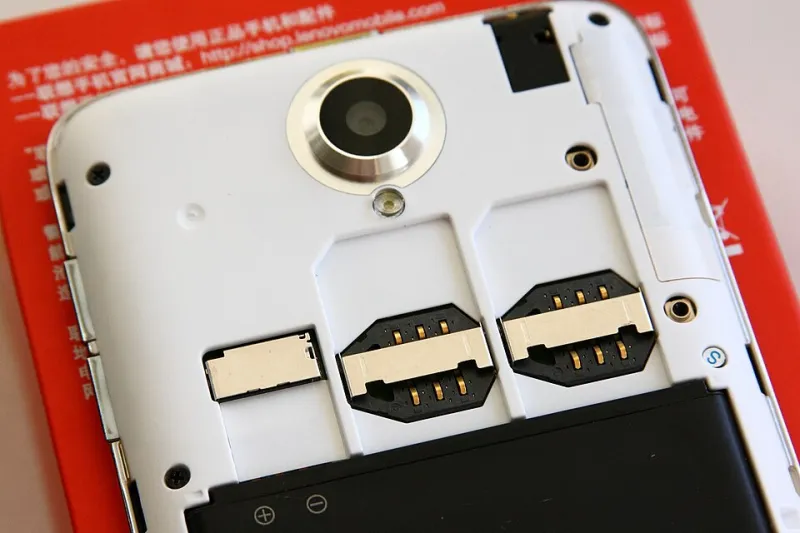
Photo: Ilya Plekhanov, CC BY-SA 3.0, via Wikimedia Commons
When most people think about an Xfinity account breach, they imagine someone reading their emails or streaming movies on their subscription without permission. What rarely crosses their mind is that the attacker may simultaneously be activating a new smartphone in their name, rerouting their phone number to a device they control, and accumulating thousands of dollars in international roaming charges — all without triggering a single alert on the victim's end.
Xfinity Mobile operates as an integrated layer within the broader Xfinity ecosystem. That integration is convenient by design. But convenience, in the context of account security, is often the very quality that attackers exploit most aggressively.
The Ecosystem Problem No One Talks About
Xfinity has spent years building a unified digital environment where a single set of credentials grants access to internet billing, cable subscriptions, streaming preferences, home equipment settings, and mobile account management. For the average subscriber, this means less friction. One login, one dashboard, one place to manage everything.
For an attacker who obtains those credentials — whether through phishing, credential stuffing, or a fake account portal — that same unified structure becomes a master key to an entire financial and communication ecosystem.
Xfinity Mobile accounts are tied directly to the primary Xfinity ID. Once an attacker is inside, they don't need to compromise the mobile account separately. They're already in. From there, the actions they can take are remarkably broad and, in many cases, financially devastating.
SIM Swaps: The Mobile Threat Most Victims Never See Coming
A SIM swap is a process by which a phone number is transferred from one SIM card to another. Carriers offer this as a legitimate service for customers who lose their phones or upgrade devices. Attackers, however, exploit the same process to hijack a victim's phone number entirely.
Once an attacker controls your phone number, incoming calls and text messages — including two-factor authentication codes from your bank, your email provider, and every other service you use — are delivered to their device instead of yours. Your phone goes silent. You may not notice anything unusual for hours.
With access to an Xfinity account, an attacker has access to the account holder's name, address, billing information, and account PIN — precisely the details a mobile carrier's customer service representative would request before authorizing a SIM transfer. The attacker doesn't need to social-engineer a carrier representative from scratch. They arrive equipped.
Fraudulent Device Purchases and Financing Agreements
Xfinity Mobile allows customers to purchase devices and spread the cost over monthly installment plans, which are billed directly through the existing Xfinity account. An attacker with account access can initiate a device purchase, select the most expensive available model, and arrange for delivery to an address they control — all within a few minutes of gaining entry.
Because these purchases are linked to the primary account, the victim's credit profile may be impacted before they are even aware a transaction occurred. Dispute processes with carriers and credit bureaus can take weeks or months to resolve, and in some cases, the financial damage to a victim's credit score is difficult to fully reverse.
What makes this particularly insidious is the timing. A fraudulent device purchase may be processed during overnight hours or over a weekend, when the victim is unlikely to notice account activity. By the time a billing statement arrives, the attacker has long since disappeared.
International Roaming Charges and Usage Fraud
Another avenue attackers frequently exploit involves international calling and roaming features. Xfinity Mobile plans include controls for international usage, but an attacker with account access can modify those settings, enable international roaming, and use the compromised number to place calls or send messages at rates that accumulate quickly.
This type of fraud — sometimes called toll fraud or international revenue share fraud — is often carried out not for the attacker's personal use, but as part of a larger scheme involving premium-rate numbers that generate revenue for third parties. The victim receives an astronomical bill weeks later, and demonstrating that the usage was unauthorized can be a lengthy and frustrating process.
Why Victims Often Don't Discover Mobile Fraud for Weeks
One of the most troubling aspects of mobile-specific account fraud is how long it can go undetected. Unlike a streaming account where an unfamiliar device appearing in the activity log might raise an immediate flag, mobile account changes often produce no visible alert within the primary Xfinity dashboard unless the customer actively navigates to the mobile section.
Additionally, many customers don't review their itemized mobile bills in detail. A SIM swap, for instance, may not produce a large unexpected charge — its damage is downstream, in the accounts that relied on that phone number for authentication. The victim may not connect their suddenly inaccessible bank account to an Xfinity breach that happened three weeks earlier.
This delay is not accidental. Sophisticated attackers deliberately pace their activities to create distance between the initial breach and the visible consequences, making attribution and recovery significantly more difficult.
Practical Steps to Isolate and Monitor Your Mobile Service
Given the interconnected nature of these risks, protecting your Xfinity Mobile service requires a deliberate, layered approach that goes beyond simply securing your primary login credentials.
Set a separate account PIN for mobile transactions. Xfinity Mobile allows customers to establish a dedicated PIN for account changes. This PIN should be distinct from any password or security code used elsewhere and should not be stored digitally.
Enable alerts for mobile account activity. Review your notification settings within the Xfinity Mobile section of your account and activate alerts for any account changes, new device additions, or SIM-related activity. Prompt notification is the most effective way to catch unauthorized changes before they compound.
Audit your linked services regularly. Log into your Xfinity account and review which services are connected under your primary ID. If you see mobile services, billing accounts, or device records that appear unfamiliar, contact Xfinity support immediately rather than attempting to resolve them through the account portal.
Consider a SIM lock or port freeze. Some carriers allow customers to place a temporary restriction on SIM changes or number porting. If your carrier offers this feature, enabling it adds a meaningful barrier against SIM swap attacks even if your account credentials are compromised.
Monitor your credit report for device financing activity. Services like AnnualCreditReport.com allow US consumers to access their credit reports at no cost. Unauthorized device installment agreements may appear as new credit inquiries or open accounts.
The Carrier Switch Misconception
A common assumption among Xfinity customers who discover their account has been breached is that switching to a different mobile carrier will resolve the problem. In reality, if the attacker still has access to the primary Xfinity account, they may be able to interfere with the porting process itself, potentially redirecting the number to a carrier of their choosing rather than the one the victim intended.
Carrier switches do not retroactively undo the damage already done through a compromised Xfinity account. Fraudulent charges, device financing agreements, and SIM-related downstream breaches persist regardless of where your phone number ultimately lands.
The only durable solution is full remediation of the primary account breach — including credential rotation, session termination, PIN changes, and a thorough audit of every connected service — before any carrier-level changes are made.
Final Considerations
The integration that makes Xfinity's ecosystem useful is the same integration that makes a single compromised credential so consequential. Mobile services, in particular, represent a high-value target precisely because they serve as authentication anchors for so many other accounts in a customer's digital life.
Understanding the full scope of what an attacker can access — and how long they can operate undetected — is the first step toward meaningful protection. Treating your Xfinity account as a gateway rather than a single destination changes how you approach every security decision attached to it.