Pixel-Perfect Deception: How Fraudsters Clone the Xfinity Account Center Interface to Steal Your Credentials
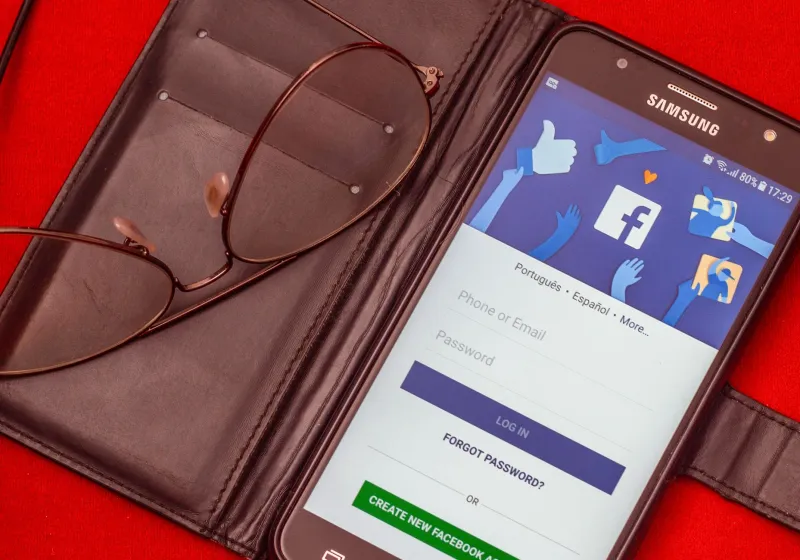
There is a particular kind of danger that hides not in the unfamiliar, but in the achingly familiar. When something looks exactly the way you expect it to look — the same shade of purple in the header, the same font weight on the input fields, the same animated loading spinner you have seen a hundred times before — your brain does not ask questions. It simply proceeds. And that automatic, unquestioned trust is precisely what sophisticated credential thieves are counting on.
The modern phishing attack targeting Xfinity account holders has evolved far beyond the grammatically broken emails and obviously mismatched logos of years past. Today's fraudulent login pages are built with a level of technical precision that would be impressive if the intent behind them were not so damaging. Understanding how these pages are constructed — and why they are so effective — is essential for any Xfinity customer who manages their account, billing, or connected services online.
The Architecture of a Convincing Clone
Creating a believable replica of the Xfinity Account Center login interface is not a weekend project for a casual bad actor. It requires deliberate technical investment. Fraudsters typically begin by using automated tools — HTTrack, wget, or custom-built scrapers — to download a complete snapshot of the legitimate login page, including its CSS stylesheets, JavaScript files, image assets, and font libraries.
The result is a local copy that, when hosted on an attacker-controlled server, renders with near-identical visual fidelity. The Comcast logo appears in exactly the right position. The input fields for email address and password carry the same placeholder text and border radius. Even the fine-print links at the bottom of the page — Privacy Policy, Terms of Service, Do Not Sell My Personal Information — are present, though they may resolve to dead pages or redirect loops.
What separates an amateur clone from a dangerous one is the attention paid to dynamic elements. Skilled fraudsters go beyond static screenshots. They replicate the hover states on buttons, the error messages that appear when a field is left blank, and the subtle transition animations that fire when a user tabs between form fields. These micro-interactions are the details that users register subconsciously, and their presence short-circuits the skepticism that might otherwise arise.
Why Muscle Memory Is Your Worst Enemy
Cognitive scientists use the term "procedural memory" to describe the kind of knowledge that operates below conscious awareness — the mental autopilot that lets you type your password without thinking about each individual keystroke. For millions of Americans who log into their Xfinity accounts regularly to check their bill, manage devices, or adjust their service plan, the login process has become deeply procedural.
This is the vulnerability fraudsters exploit most ruthlessly. When the visual environment matches what procedural memory expects, the brain does not pause to verify. A user who has logged into the real Xfinity Account Center dozens of times will navigate to a cloned version and begin entering their credentials before any conscious evaluation of the page has occurred. By the time the rational mind might catch up — if it ever does — the form has already been submitted.
Researchers studying phishing susceptibility have found that familiarity with a brand's interface actually increases, rather than decreases, the likelihood of falling for a well-constructed clone. The more you trust a design, the less you scrutinize it. Fraudsters understand this dynamic intimately.
The UI Elements Attackers Prioritize
Not all interface elements carry equal weight in establishing credibility. Experienced fraudsters have developed a clear hierarchy of components that must be replicated with absolute accuracy to maximize the success rate of a credential-harvesting page.
The header and brand mark sit at the top of this hierarchy. The Xfinity wordmark, rendered in the correct typeface and color, establishes immediate brand recognition. Any deviation here — a slightly different hue, a logo that loads slowly or appears pixelated — can trigger subconscious unease.
The primary call-to-action button is the second most critical element. Its color, size, label text, and position must match the legitimate interface precisely. Users' eyes travel directly to this element after entering their credentials, and any inconsistency at this moment can cause hesitation.
Form field behavior — including placeholder text, focus states, and inline validation — ranks third. A field that does not highlight in the expected color when clicked, or that displays a validation message in an unfamiliar format, introduces friction that can break the spell.
Footer links and legal text serve a trust-reinforcement function. Their presence signals institutional legitimacy, even if users never actually click them. Fraudsters who omit this layer of detail produce pages that feel subtly "off" without users being able to articulate why.
The Subtle Tells That Betray a Fraudulent Page
Despite the sophistication of modern clones, there are observable differences that a careful, deliberate user can identify — provided they know what to examine.
The browser's address bar remains the single most reliable indicator of authenticity. Legitimate Xfinity account management occurs on domains controlled by Comcast. Any variation — additional subdomains that look plausible but are structured differently, top-level domains other than .com, or strings of characters that approximate the brand name without replicating it exactly — should trigger immediate suspicion. Fraudsters register domains like "xfinity-account-secure.com" or embed the brand name as a subdomain prefix ("xfinity.account-verify.net") to create visual ambiguity in the address bar.
Page load behavior is another diagnostic signal. Cloned pages frequently exhibit inconsistent loading patterns — some assets may fail to render, background images may flash or load out of sequence, or the page may momentarily display raw HTML before styles are applied. These artifacts result from the imperfect way scraped assets are reassembled on attacker infrastructure.
Interaction with secondary links is also revealing. On a fraudulent page, clicking "Forgot Password" or "Create an Account" often produces a redirect to the real Xfinity site, an error, or a blank page — because the fraudster's objective is credential capture, not a fully functional portal.
Protecting Yourself Before You Type a Single Character
The most effective defense against interface-based deception operates before your fingers reach the keyboard. Establishing a deliberate verification habit — one that does not depend on visual recognition alone — significantly reduces your exposure.
Navigate to your Xfinity account exclusively through addresses you have independently verified, not through links embedded in emails, text messages, or search advertisements. Use a dedicated bookmark created from a session you know was authentic. Before entering any credentials, read the full URL in the address bar carefully, character by character if necessary.
Enable two-factor authentication on your account through verified Xfinity channels, understanding that this adds a layer of protection even if credentials are captured — though it is not infallible against real-time phishing attacks that relay authentication tokens simultaneously.
Finally, treat any unexpected login prompt — even one that appears visually indistinguishable from the real thing — as a reason to pause and verify through an independent channel before proceeding. The convincingness of a page is not evidence of its legitimacy. In many cases, it is the opposite.
The fraudsters who build these clones are counting on your trust in the familiar. The most powerful countermeasure you have is the decision to verify before you trust — every single time.