Phantom Charges, Clean Logs: How Counterfeit Xfinity Payment Pages Steal Your Banking Details Without a Trace
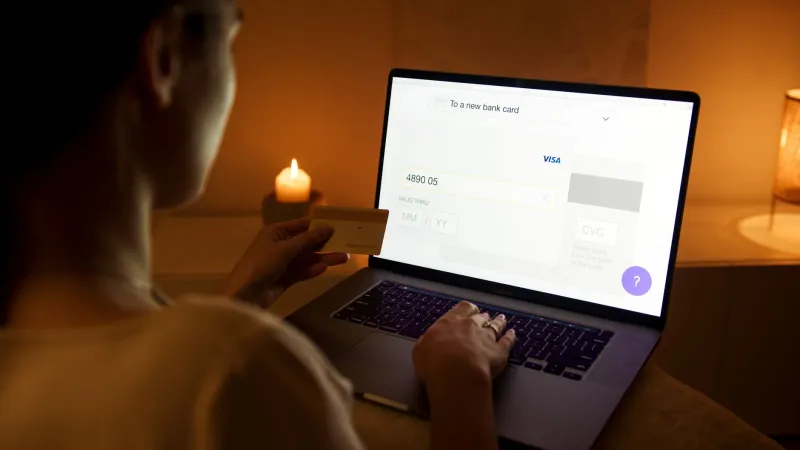
Every month, millions of Americans log in to pay their Xfinity bill without giving the process a second thought. The page looks familiar. The branding is consistent. The form fields accept your card number without complaint. And then, somewhere between clicking "Submit Payment" and receiving your confirmation screen, your financial details quietly change hands — not to Xfinity, but to a criminal operation that has spent considerable effort ensuring you never notice the difference.
This is the billing trap: a category of fraud so precisely engineered that it leaves almost no footprint on your account activity log, processes your legitimate payment to avoid immediate suspicion, and harvests your banking credentials for use hours or days later when your attention has moved elsewhere.
Why the Billing Cycle Creates the Perfect Vulnerability Window
Fraudsters who target payment portals are not operating randomly. They time their campaigns with deliberate precision, concentrating activity during the final days of each billing cycle when payment urgency is highest. During this window, customers are conditioned to act quickly — particularly when they receive an email warning of a late fee or service interruption.
That urgency is weaponized. A carefully crafted message, formatted to mirror Xfinity's legitimate billing notifications, arrives in your inbox with a subject line referencing your account balance. The embedded link routes you to a domain that differs from the authentic Xfinity address by a single character, a hyphen, or a subdomain prefix designed to appear credible at a glance. By the time you reach the payment form, you are already inside a counterfeit environment — one built specifically to capture what you type next.
The Technical Architecture Behind a Fake Payment Portal
Building a convincing counterfeit billing page requires more than copying visual design elements. Sophisticated operators deploy what security researchers call a "man-in-the-middle payment relay" — a system that sits between you and the legitimate Xfinity payment processor, intercepting your submission in real time.
Here is how it functions in practice:
Step one — credential capture. You enter your Xfinity username and password on the fraudulent login page. These details are logged immediately to the attacker's database and simultaneously forwarded to the real Xfinity system, which returns a valid session. From your perspective, login succeeds normally.
Step two — payment form interception. You are presented with a billing summary that reflects your actual account balance, pulled dynamically from your now-authenticated session. This accuracy is what makes the fraud so convincing — the amount due is correct because the attacker's infrastructure is reading your real account in real time.
Step three — data bifurcation. When you submit your payment details, the form transmits two simultaneous requests. One carries your card or bank account information to the attacker's collection server. The other forwards a modified or delayed request to the legitimate payment processor — sometimes completing your actual payment, sometimes not, depending on how the operation is configured.
Step four — confirmation theater. You receive a confirmation screen, possibly even a confirmation email generated by the fraudulent system, indicating your payment was accepted. Nothing appears wrong. Your account balance may even update correctly if the relay completed the genuine transaction.
The result is an account activity log that shows a normal payment event while your banking credentials have already been exfiltrated.
Why Activity Logs Appear Clean
One of the most disorienting aspects of this fraud category is the absence of obvious evidence inside the Xfinity account portal itself. Traditional account takeovers leave traces — unfamiliar devices in session history, changed contact information, altered service configurations. Payment portal interception attacks are engineered to avoid all of these signals.
Because the attacker's relay authenticates through your legitimate credentials and mirrors your real session, the activity log records a standard payment event from a recognized IP address. No new device is flagged. No account settings are modified. The only anomaly exists in your bank records — and even there, it may not surface immediately. Fraudsters who capture card details typically wait between 48 and 96 hours before initiating test charges, a delay calculated to distance the unauthorized transaction from the moment of capture in your memory.
The Forensic Evidence That Reveals What Already Happened
By the time most victims recognize the fraud, the initial data capture occurred days or weeks prior. However, several forensic indicators can confirm that a counterfeit payment portal was involved:
Browser address bar inconsistency. Review your browser history for the URL you visited during your last payment session. Legitimate Xfinity billing is processed through authenticated Xfinity domains. Any URL containing unfamiliar subdomains, hyphens adjacent to the brand name, or alternate top-level domain extensions (.net, .info, .co) where .com is expected should be treated as a confirmed compromise indicator.
Email header analysis. The notification that directed you to the payment page can be examined for header anomalies. Fraudulent billing emails frequently originate from sending infrastructure that fails SPF and DKIM authentication checks — information visible when you view the full message source in your email client.
Timing correlation in bank statements. Cross-reference your payment date with any unfamiliar charges appearing within the subsequent 72-hour window. Small test transactions — often under five dollars — are a common precursor to larger unauthorized withdrawals and indicate that captured card data has been validated.
Confirmation email domain mismatch. If you retained a payment confirmation email, examine the sender address carefully. Fraudulent confirmation messages are generated by attacker-controlled domains that approximate but do not exactly match legitimate Xfinity communication addresses.
Protective Measures During Every Bill-Pay Session
Defending against payment portal fraud requires a shift in habit rather than technical expertise. Before entering any payment information during your Xfinity billing cycle, confirm the following:
- Navigate directly to the Xfinity website by typing the address into your browser rather than following links from email notifications. Bookmarks can be manipulated; direct navigation eliminates relay entry points.
- Confirm that the payment page URL reflects an authenticated Xfinity domain before entering any financial data. The padlock icon alone is insufficient verification — fraudulent sites routinely obtain valid SSL certificates.
- Enable transaction alerts on your bank account or credit card so that any charge, regardless of amount, triggers an immediate notification. Early detection of test charges allows you to freeze the account before larger withdrawals occur.
- After completing any payment, verify the transaction appears in your bank's pending activity within the expected timeframe. A missing transaction combined with a confirmation screen is a strong indicator that your payment was intercepted rather than processed.
When to Escalate Immediately
If you suspect you submitted payment information through a counterfeit portal, do not wait for your monthly statement to confirm the damage. Contact your financial institution immediately to report potential card compromise and request a replacement. Simultaneously, update your Xfinity account password and review your account's linked payment methods for any entries you did not add.
Report the fraudulent URL to the Internet Crime Complaint Center (IC3) at ic3.gov and to Xfinity's official security team. Providing the specific domain address assists in accelerating takedown requests and may prevent other customers from encountering the same page.
The billing trap is effective precisely because it exploits a routine, trusted behavior. Recognizing that familiarity itself can be manufactured — and verifying independently rather than assuming — remains the most reliable defense available.