The Silent Window: How Fraudsters Exploit the Hours Between Credential Theft and Account Lockout to Empty Your Xfinity Services
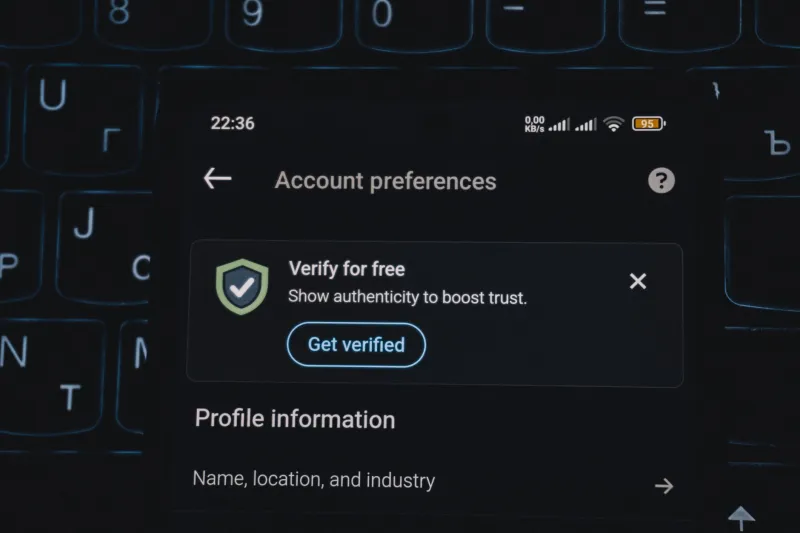
Most Americans who have experienced an account takeover describe the same disorienting moment: a security email arrives, they log in to investigate, and they discover that someone has already been inside their account — sometimes for hours. By the time that notification surfaces, the damage is frequently done. Payment methods have been swapped. Premium channels have been added. A new email address now controls the recovery options. The attacker is long gone, and the account holder is left sorting through a mess that took minutes to create and may take weeks to untangle.
This is not accidental. It is architectural. Sophisticated phishing operations are specifically engineered around the predictable lag between the moment credentials are stolen and the moment an account's security systems catch up. Understanding that window — how long it lasts, what happens inside it, and why existing protections frequently fail to close it in time — is essential for any Xfinity customer who wants to stay ahead of these threats.
Why Notification Delays Exist and How Fraudsters Map Them
Account security systems at any major service provider are built to balance protection with usability. Triggering an immediate lockout every time a login originates from an unfamiliar device or location would generate enormous volumes of false positives, frustrating legitimate customers who travel, switch devices, or use VPNs. As a result, most systems apply a layered verification approach: an initial login may be permitted while additional signals are gathered — device fingerprint, behavioral patterns, geographic consistency — before any alert is dispatched.
Fraudsters who operate at scale have spent considerable effort mapping these verification timelines. Through repeated testing across compromised accounts, criminal networks develop a working understanding of how long they can operate before automated systems flag the session. In many documented cases, that window ranges from twenty minutes to several hours. For an attacker who has prepared a checklist of high-value modifications, twenty minutes is more than sufficient.
The Attacker's Checklist: What Gets Changed First
When a fraudster gains access to a legitimate Xfinity account, their sequence of actions is rarely random. Experienced operators follow a prioritized workflow designed to maximize damage and minimize the probability of reversal.
Contact information is modified first. Changing the recovery email address and phone number on file is typically the opening move. This single action effectively locks the original account holder out of every self-service recovery pathway. Even if the victim receives an initial alert at their old address, subsequent communications — password reset links, verification codes — will route to addresses the attacker controls.
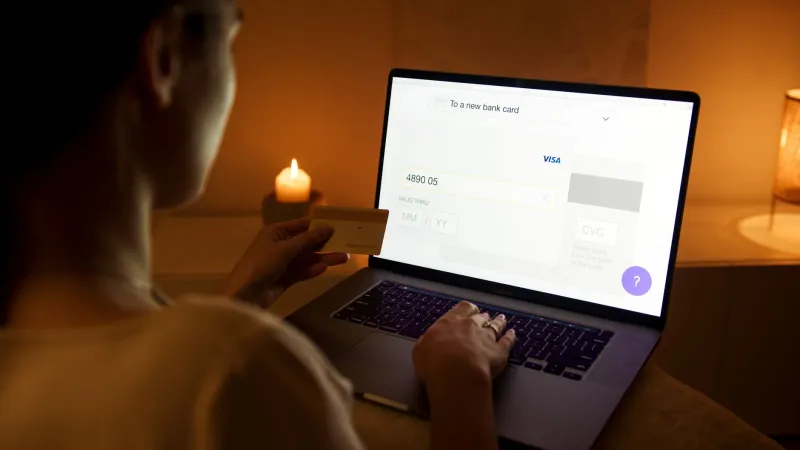
Payment methods are updated second. Replacing a saved credit card or bank account with attacker-controlled payment credentials serves two purposes: it enables fraudulent purchases within the account ecosystem and it disrupts the victim's ability to dispute charges tied to the original payment method.
Service upgrades are added third. Premium cable packages, additional streaming subscriptions, and equipment add-ons represent immediate, monetizable value. In some cases, attackers use this step not for personal consumption but to resell service access to third parties before the account is suspended.
Authorized users may be added or removed. Depending on the account structure, attackers may add themselves as authorized users, granting persistent access that survives a simple password reset by the original account holder.
This entire sequence can be executed in under fifteen minutes by someone working from a pre-built script.
Real-World Timelines: When the Clock Starts Without You Knowing
Research into account takeover incidents reveals a consistent pattern. Credential theft — whether through a phishing page, a data broker list, or a credential stuffing attack — typically occurs well in advance of the actual account intrusion. Attackers rarely use stolen credentials immediately. Instead, they are often batched, verified for validity, and then sold or queued for use during off-peak hours, typically late at night or in the early morning, when victims are least likely to be monitoring their accounts.
The intrusion itself frequently begins between midnight and 4:00 a.m. local time. Automated tools handle the login and initial modifications, with human operators stepping in only for steps that require judgment. By the time the account holder wakes up and checks their phone, the attacker's work is complete. The security notification, if it arrives at all, may be sitting in a folder the victim checks infrequently — or it may have already been routed to an address the attacker now controls.
This deliberate timing strategy explains why so many victims describe discovering the breach not through a security alert but through a billing discrepancy, a failed login attempt on their own device, or a call from their bank.
The First Hours Are the Most Consequential
Security professionals consistently emphasize that the first two to four hours following an unauthorized login represent the period during which intervention is most effective. Changes made during that window are more readily reversible. Service additions can be removed. Payment modifications can be contested with documentation. Contact information can be restored if the original credentials are still accessible through an independent pathway.
After that window closes — particularly once recovery contact information has been changed — restoration becomes significantly more complex, requiring identity verification through customer service channels that were not designed to handle high volumes of sophisticated takeover cases.
Closing the Window: Practical Steps for Xfinity Account Holders
Given the structure of these attacks, passive reliance on account security notifications is insufficient. The following measures are designed to reduce the attacker's available window and increase the probability of early detection.
Enable every available notification channel. Do not rely on a single email address for security alerts. Where available, configure alerts to reach both an email account and a mobile number. Ensure that both contact points are current and that neither is shared with any other service that may itself be compromised.
Review your account activity on a scheduled basis. Rather than waiting for an alert, establish a routine of logging into your account portal at least once per week to review recent activity, authorized devices, and billing changes. Anomalies that security systems miss may be immediately apparent to you.
Audit your recovery information regularly. Verify that the email address and phone number listed under your account recovery settings are accurate and accessible. If either has been changed without your knowledge, treat it as a confirmed intrusion and contact customer support immediately.
Monitor your linked payment methods. Any unexpected charge, however small, warrants investigation. Fraudsters sometimes test a payment method with a nominal transaction before applying larger charges. Your bank's transaction alert settings can serve as an independent early warning system.
Do not reuse passwords across services. Credential stuffing attacks succeed precisely because passwords stolen from one breach are immediately tested against high-value accounts elsewhere. A unique, complex password for your Xfinity account eliminates this attack vector entirely.
Treat unfamiliar login notifications as confirmed breaches. If you receive a notification indicating a login from an unrecognized device or location, do not assume it is a false positive. Change your password immediately, verify your recovery contact information, and review your account for unauthorized changes — in that order.
The Broader Pattern Worth Recognizing
The delayed lockout exploit is not unique to any single provider. It is a structural challenge inherent to any account system that prioritizes user convenience alongside security. What makes it particularly consequential for Xfinity account holders is the breadth of services tied to a single set of credentials — internet access, cable, mobile, home security, and billing are frequently unified under one login. The attacker who gains entry to that account gains leverage across an unusually wide surface area.
Awareness of the timeline these attacks follow is itself a form of protection. When you understand that the most dangerous period is the one you are most likely to sleep through, you can take steps to compensate — configuring alerts that reach you regardless of the hour, and establishing verification habits that do not depend on the security system catching the intrusion before you do.